
Time Is Not Workload
Why the clock may be one of the most misleading ways to compare training
Written by COACH RHINO | Recommended publication Tuesday October 6 2026 at 6:00 AM Central Daylight Time
“How was your workout?”
“I trained for an hour.”
That answer is common because time is easy to understand. We know when the session started and when it ended. We can compare 30 minutes with 60 minutes without doing any additional work.
But duration tells us how long the training window was open. It does not tell us what happened inside that window.

An hour can contain many different experiences
Consider two 60 minute strength sessions. In the first, an athlete completes several heavy sets with generous recovery between efforts. In the second, an athlete moves through a circuit with short rests and very little inactive time.
Both sessions last an hour. Their density, effort, structure, and purpose can be very different.
Now compare a 45 minute session performed with focused, continuous work to a 90 minute session filled with long pauses, equipment changes, and conversation. The longer session may still be valuable, but the clock alone cannot tell us which athlete completed more training or which session better served its purpose.
Time is a container
A useful way to think about duration is as a container. The size of the container matters, but so does what we place inside it.
A training hour may contain strength work, cardiovascular work, skill practice, mobility, recovery periods, or some combination of them. Two containers of the same size can hold very different amounts and types of work.
This is why statements such as I work out five hours each week can be both true and difficult to interpret. Five hours of what? How was the effort distributed? How much rest occurred inside the sessions? How did the work change from day to day?
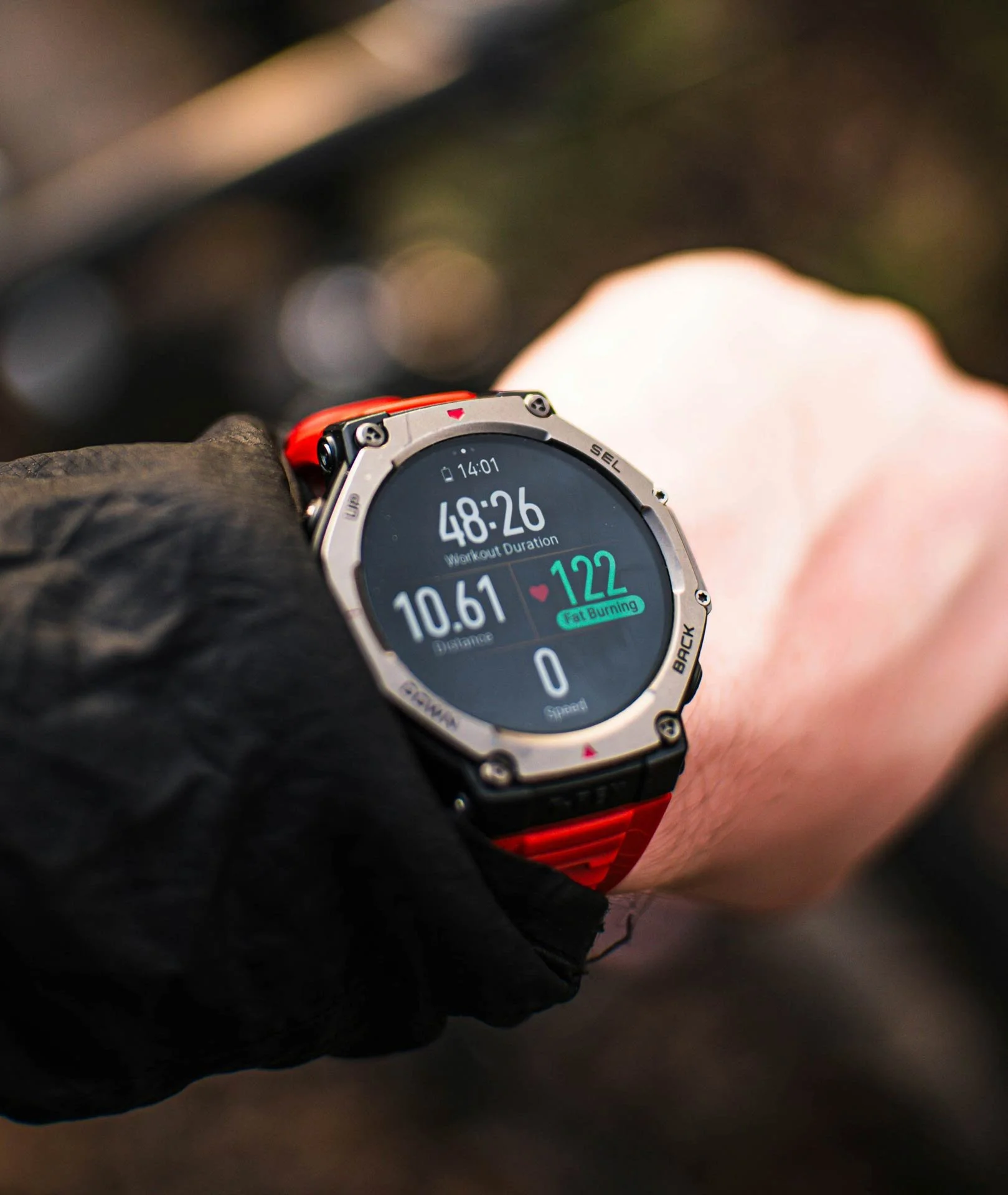
Time is a container
A useful way to think about duration is as a container. The size of the container matters, but so does what we place inside it.
A training hour may contain strength work, cardiovascular work, skill practice, mobility, recovery periods, or some combination of them. Two containers of the same size can hold very different amounts and types of work.
This is why statements such as I work out five hours each week can be both true and difficult to interpret. Five hours of what? How was the effort distributed? How much rest occurred inside the sessions? How did the work change from day to day?
More time does not guarantee more value
Athletes often add minutes when they want more results. Sometimes additional time is exactly what the plan requires. Sometimes it only makes the session longer.
The question is not whether 90 minutes is good or 45 minutes is good. The useful question is whether the work inside that time matches the athlete's purpose, ability, and place in the larger training plan.
This matters for busy adults as much as it matters for competitive athletes. A shorter, well designed session can be highly valuable. A longer session can also be highly valuable. Duration should serve the training objective rather than become the objective.
Keep the clock in its proper place
Time belongs in the training record. It helps us plan schedules, estimate recovery opportunities, and understand the practical cost of a session.
It simply should not be asked to answer a question it cannot answer by itself.
When you review a workout, keep the duration and add the missing context. Look at the amount of work, the rest periods, the level of effort, the cardiovascular volume, and the way the session was organized.
Sixty minutes measures 60 minutes. Understanding the training requires us to look inside the hour.