
Same Workout Different Effect
Why what you did does not always tell you how much training you actually did.
Two athletes walk into the gym with the same workout written on the page.
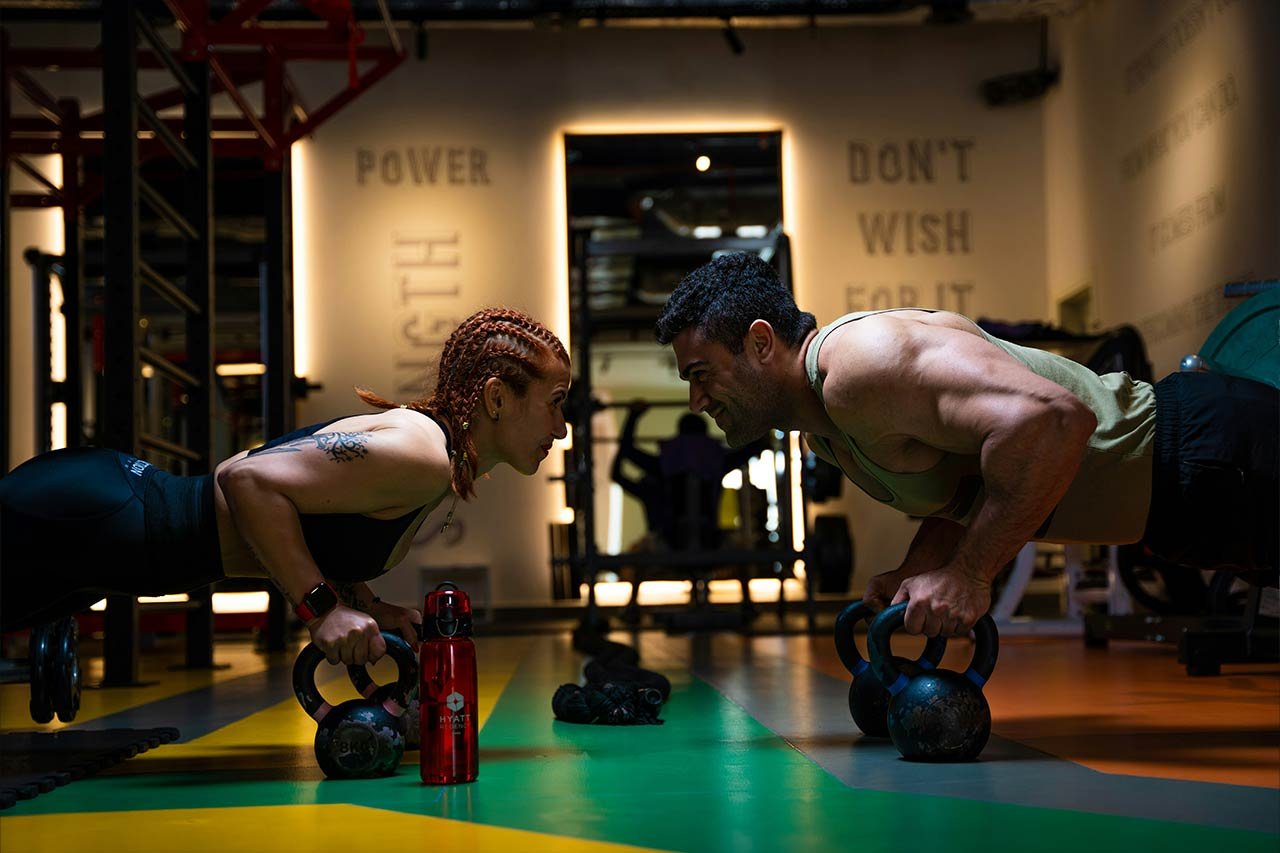
Four exercises. Three sets of each. About 45 minutes from start to finish.
On paper, they did the same workout. In practice, they may have had two very different training experiences.
One athlete rested two minutes between sets and worked at a controlled effort. The other rested 30 seconds, pushed close to the limit, and moved quickly from one exercise to the next. The exercise names and set totals match. The amount and organization of the work do not.
That distinction matters because a workout plan describes what someone intends to do. It does not automatically describe how the session was performed.
The “Workout” card is only the beginning
Most training records are built around visible ingredients. We write down exercises, weight, repetitions, distance, time, pace, or power. Those details are useful. They help us repeat a session, track progress, and communicate a plan.
But each measurement tells us one part of the experience. A list of exercises cannot tell us how tightly the work was packed together. A set count cannot tell us how demanding those sets felt. A 45 minute entry cannot tell us how much of that time was work, rest, transition, or conversation.
The record may be accurate and still be incomplete.
Small changes can create a different session
Rest is an easy example. Complete the same sets with long recovery periods and the session takes on one character. Shorten the recovery periods and the same exercises begin to create a different experience.
Effort changes it again. Twelve sets performed comfortably are not equivalent to twelve sets performed near an athlete's limit. Add cardiovascular work, change the exercise sequence, or organize the exercises into circuits and the session changes again.
None of this means one version is automatically better. Longer rest may be appropriate for one purpose. Shorter rest may be appropriate for another. A high effort day can be valuable. So can a controlled day. The point is that matching the visible outline does not guarantee a matching workload.

The athlete changes the experience too
The same athlete can repeat the same workout a week later and experience it differently. Training history, familiarity with the movements, recovery, and the demands surrounding the session all affect how the work is performed and understood.
This does not require us to pretend that one measurement can explain the whole athlete. It asks us to be precise about what we are trying to understand. If we want to compare training experiences, we need more than the workout title and the elapsed time.
Ask a better question
Instead of asking only, What workout did I do, ask, How was the work organized and performed today?
How many sets were completed? How much rest separated them? What level of effort did the athlete sustain? Was cardiovascular work part of the session? Did the structure make the work more continuous or more divided?
Those questions do not replace the training log. They make it more useful. They help us move from recording ingredients toward understanding the training experience those ingredients created.
A “Workout” tells us what was on the page. “Workload” begins to tell us what happened when the athlete did it.
Same workout. Different effect. Once you see the difference, it becomes difficult to stop asking better questions.