
Athletes have more information than ever and still need to decide what it means
Athletes can collect an extraordinary amount of information.
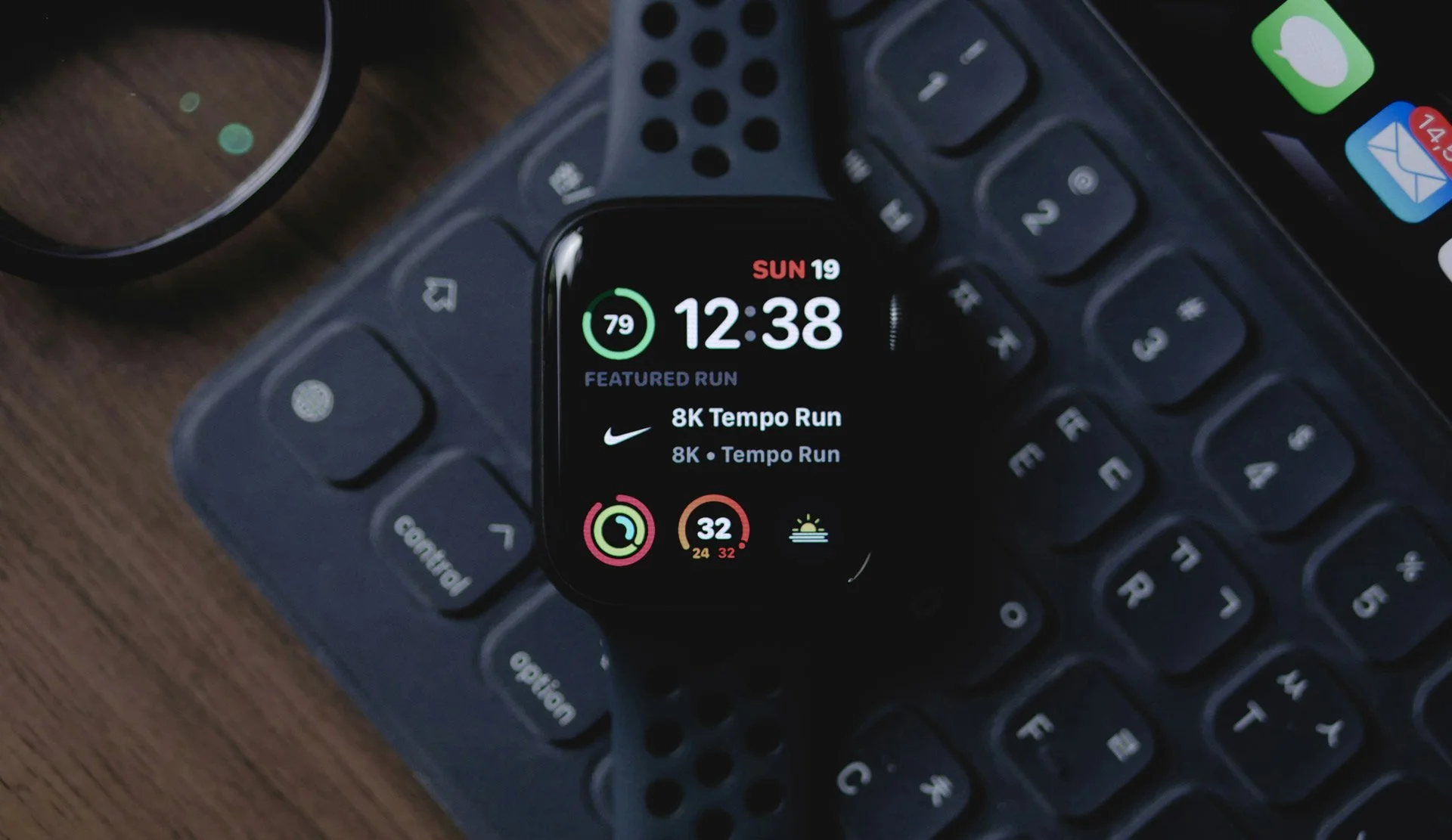
Heart rate. Power. Pace. Distance. Sleep. Steps. Repetitions. Weight. Calories. Recovery scores. Readiness scores - The problem is no longer limited to getting data. The harder problem is deciding what the data means and what to do next.
More information can create more uncertainty
A watch says recovery is low, but the athlete feels good. The training plan calls for intervals, but yesterday's session became harder than expected. Pace improved while perceived effort also rose. One app rewards consistency while another warns about strain.
Each signal may be useful. Together, they can create a pile of information without a clear decision.
Collecting another number does not automatically solve the problem. The athlete needs a way to place the numbers in context.
Data records and intelligence interprets
Data tells us that something happened. Intelligence helps us decide what the information may mean and what question should come next.
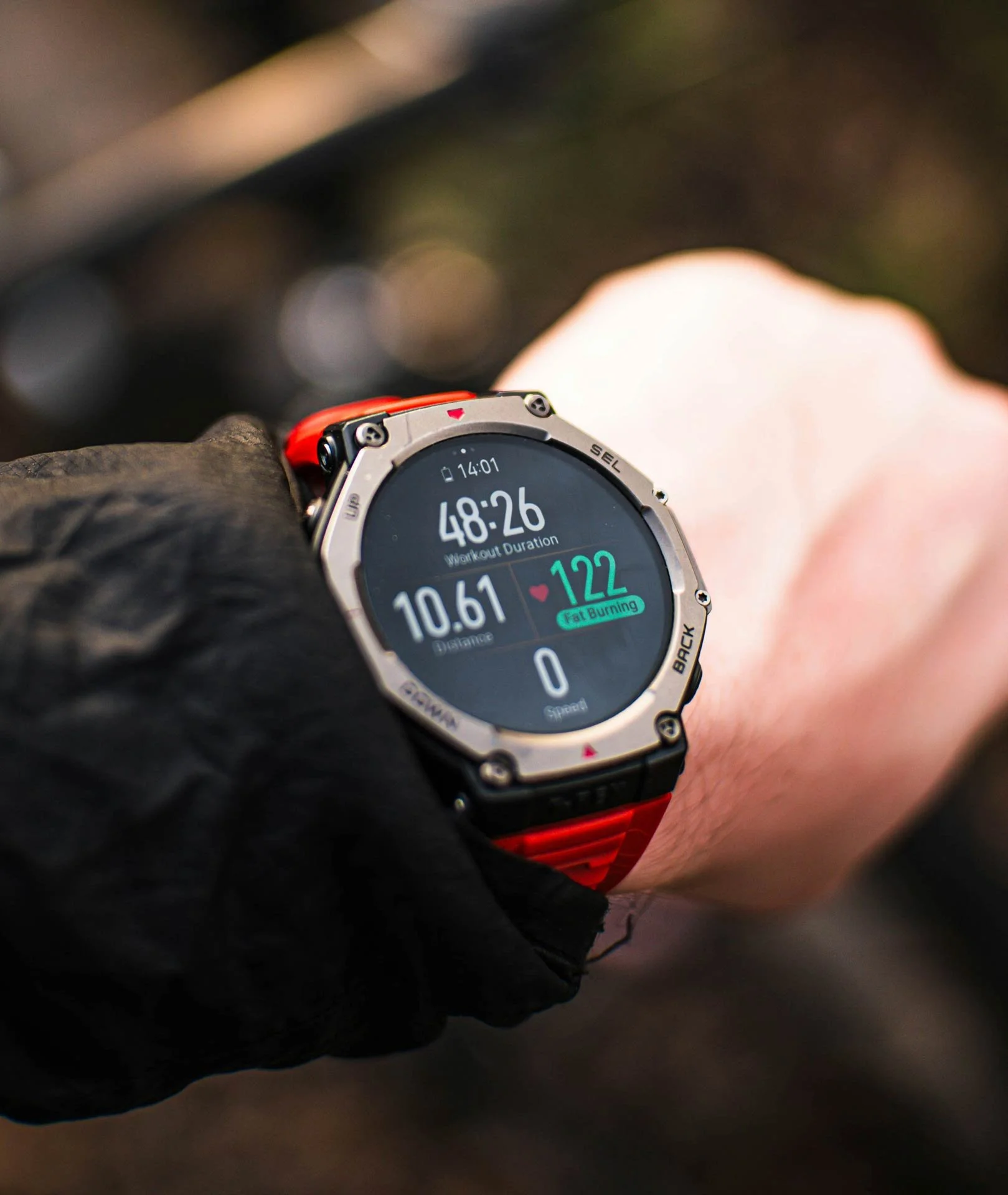
The distinction is practical. A session duration is data. The number of sets is data. Rest periods, exertion, and cardiovascular volume are all data. Intelligence begins when the athlete compares those details, notices a pattern, considers the plan, and makes a decision.
That decision may be to continue exactly as planned. It may be to adjust the next session, protect recovery, or ask a coach for help. The information becomes valuable when it improves the process.
Workload deserves its own intelligence
Many training systems measure one activity extremely well. Runners have pace and distance. Cyclists have power. Strength athletes track weight, sets, and repetitions.
Mixed training creates a different challenge. The athlete needs to understand individual sessions and the accumulated workload across different types of work.
Workload Intelligence is the practice of valuing, comparing, interpreting, reviewing, and planning those training experiences. It creates a shared language for the work while preserving the purpose and detail of each activity.
The purpose is a better decision
Workload Intelligence does not promise certainty. Training and human performance will always include variables that no single system can control.
Its value is more grounded. It helps the athlete see the work more clearly, compare what happened with what was planned, and discuss the pattern with a coach or support team.
You do not need less data. You need each piece of data to have a job.
When workload information has a clear place in the decision process, it stops being another number on a screen and starts becoming useful intelligence.